
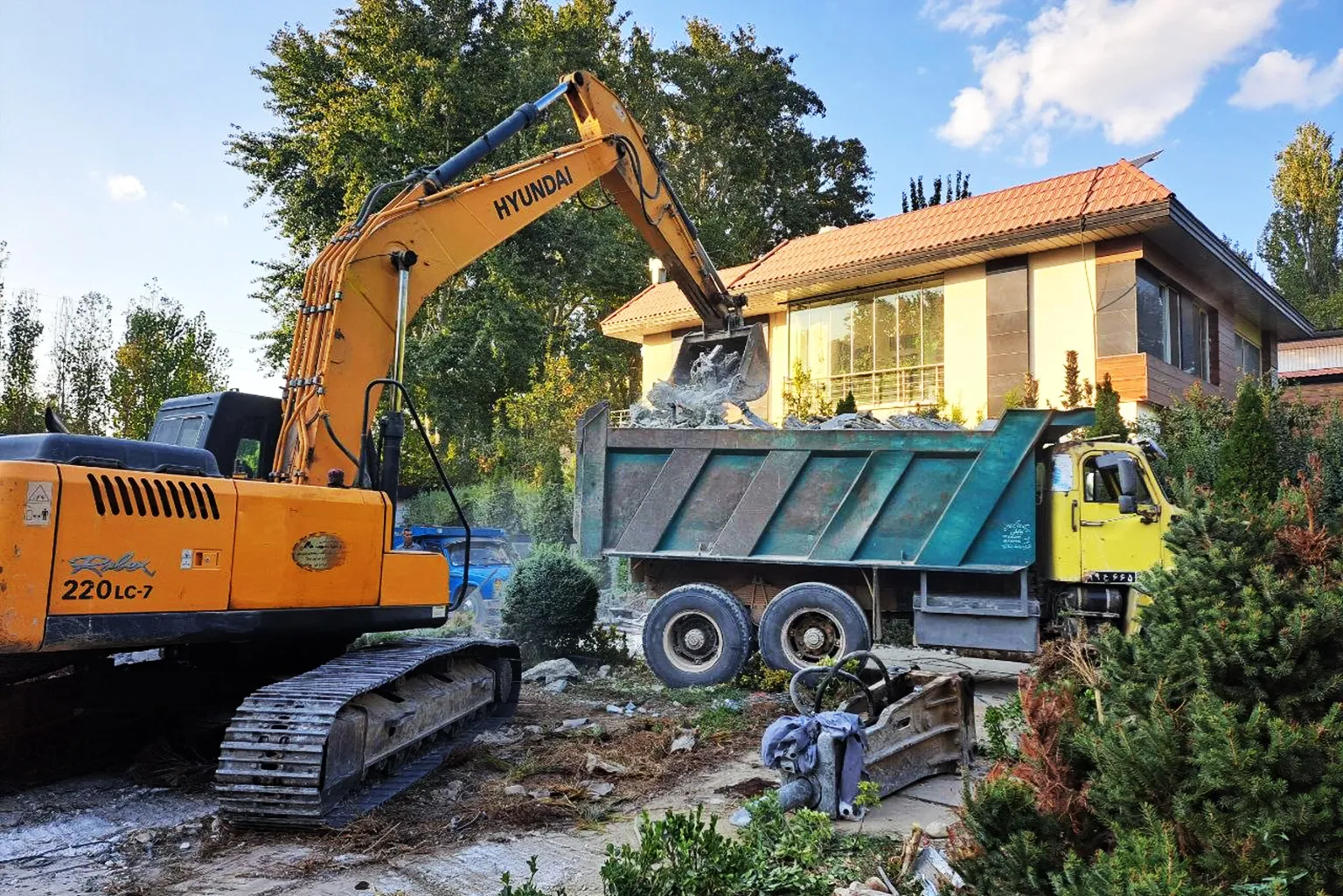
Excavation for Dr. Eghbali's project
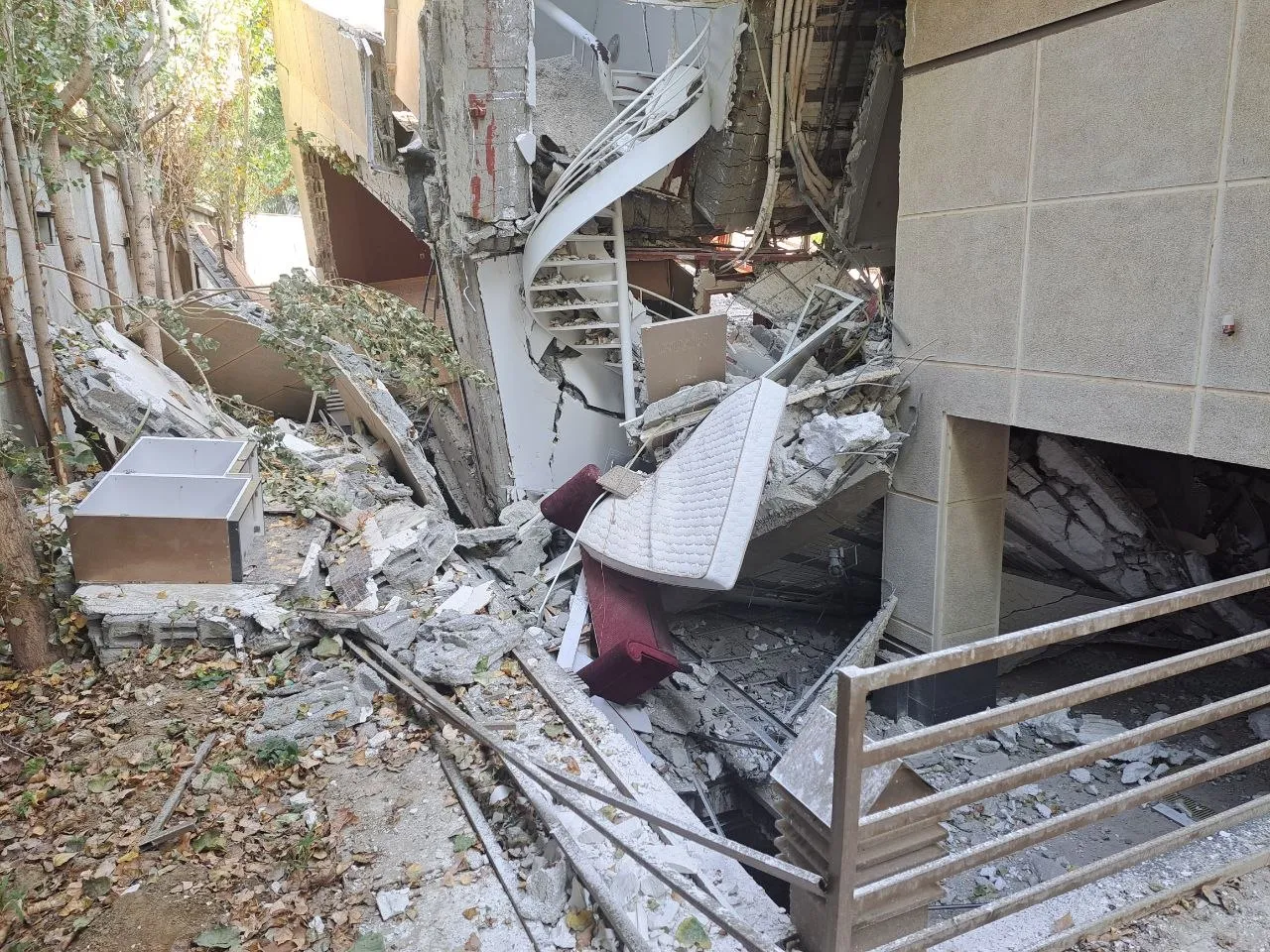
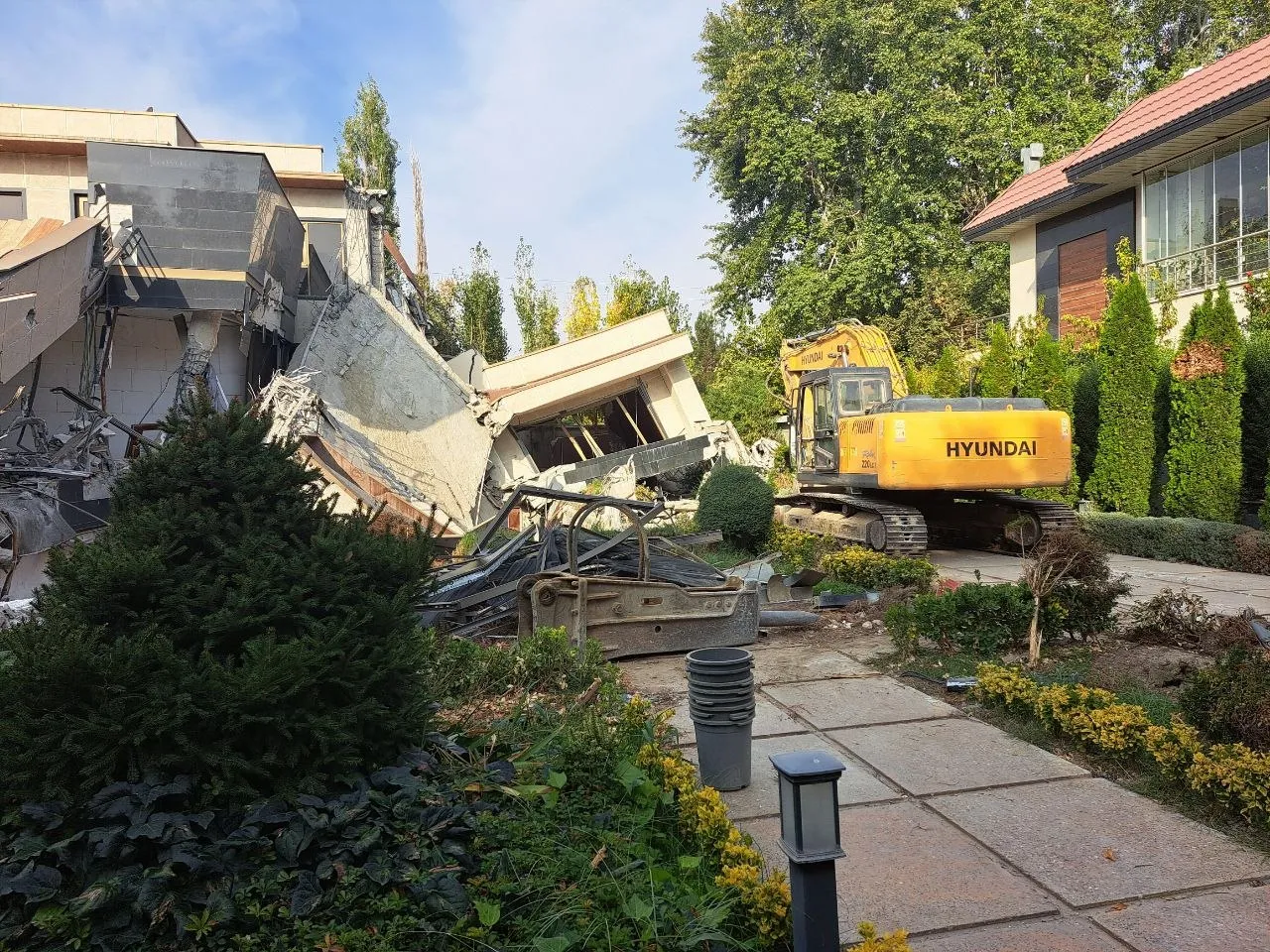
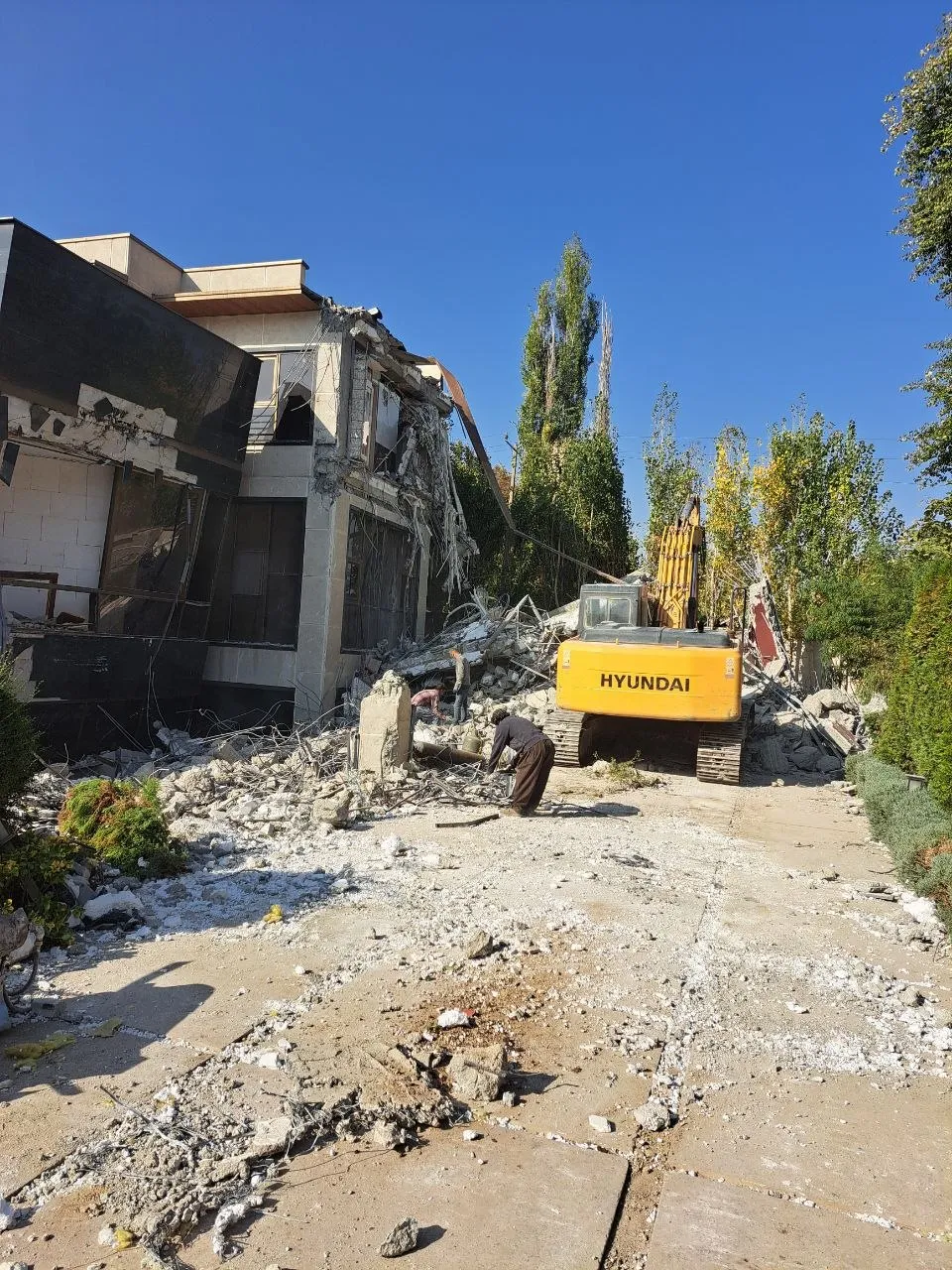
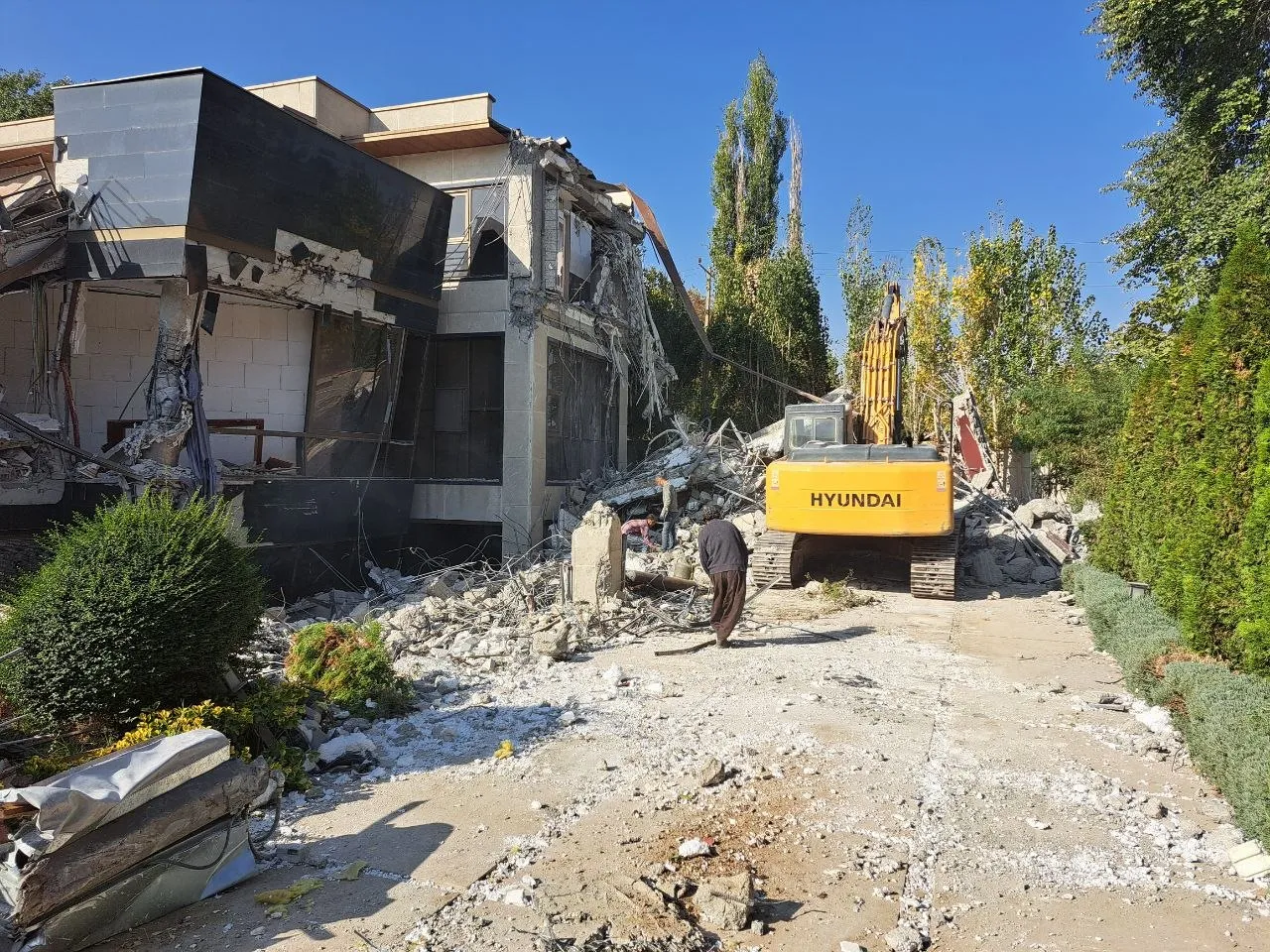
Debris removal operations in the Sarkhab area
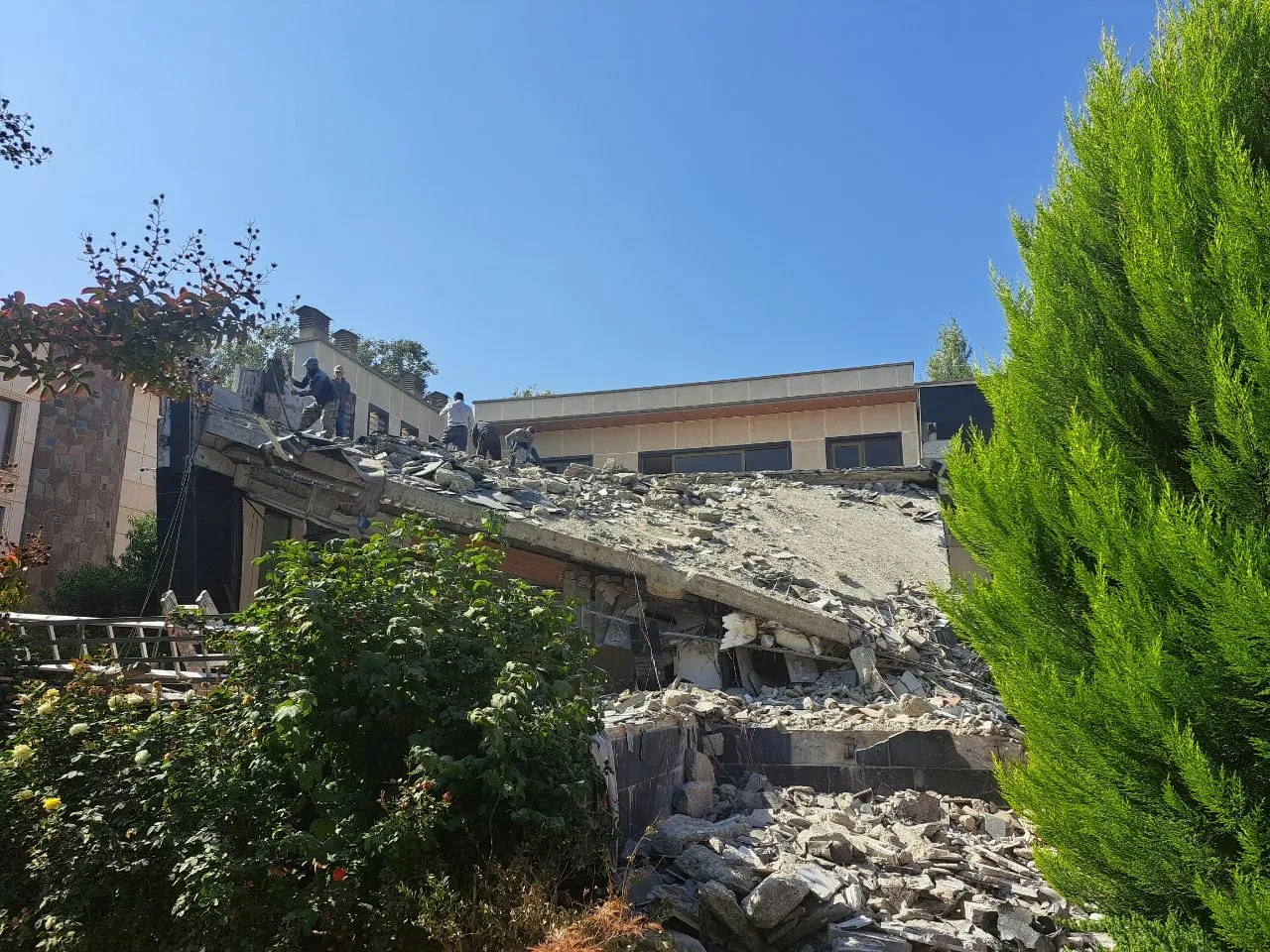
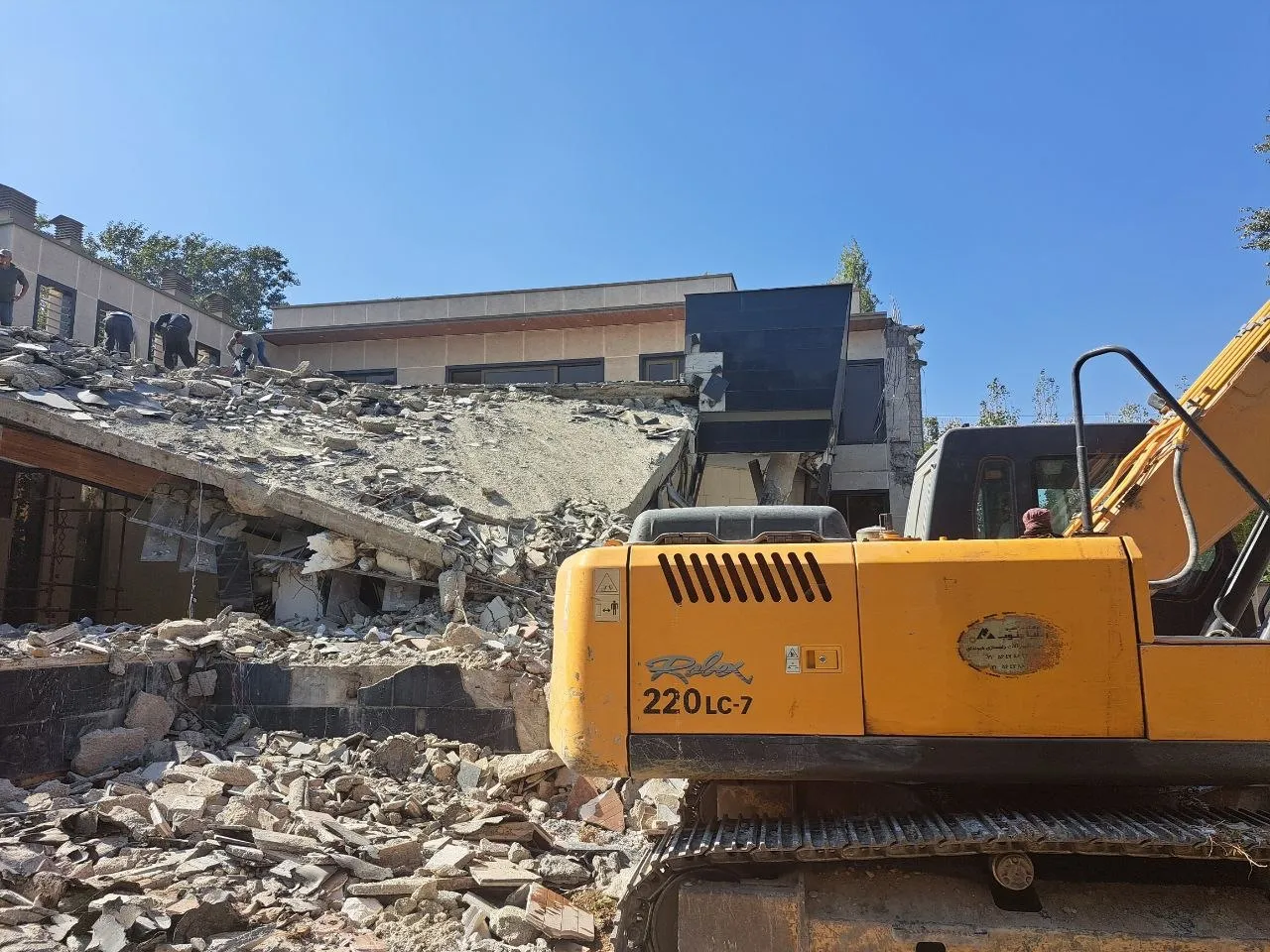
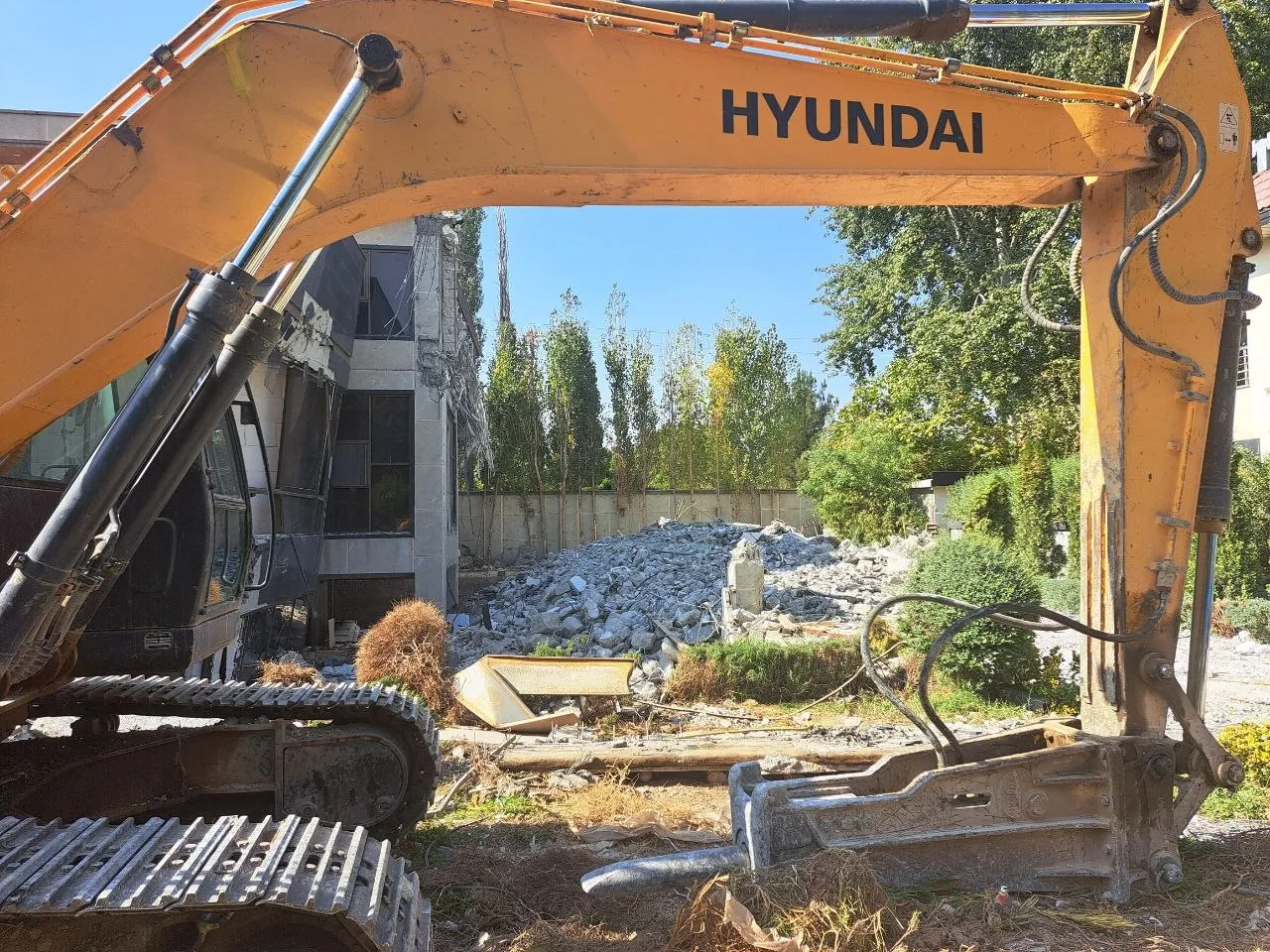
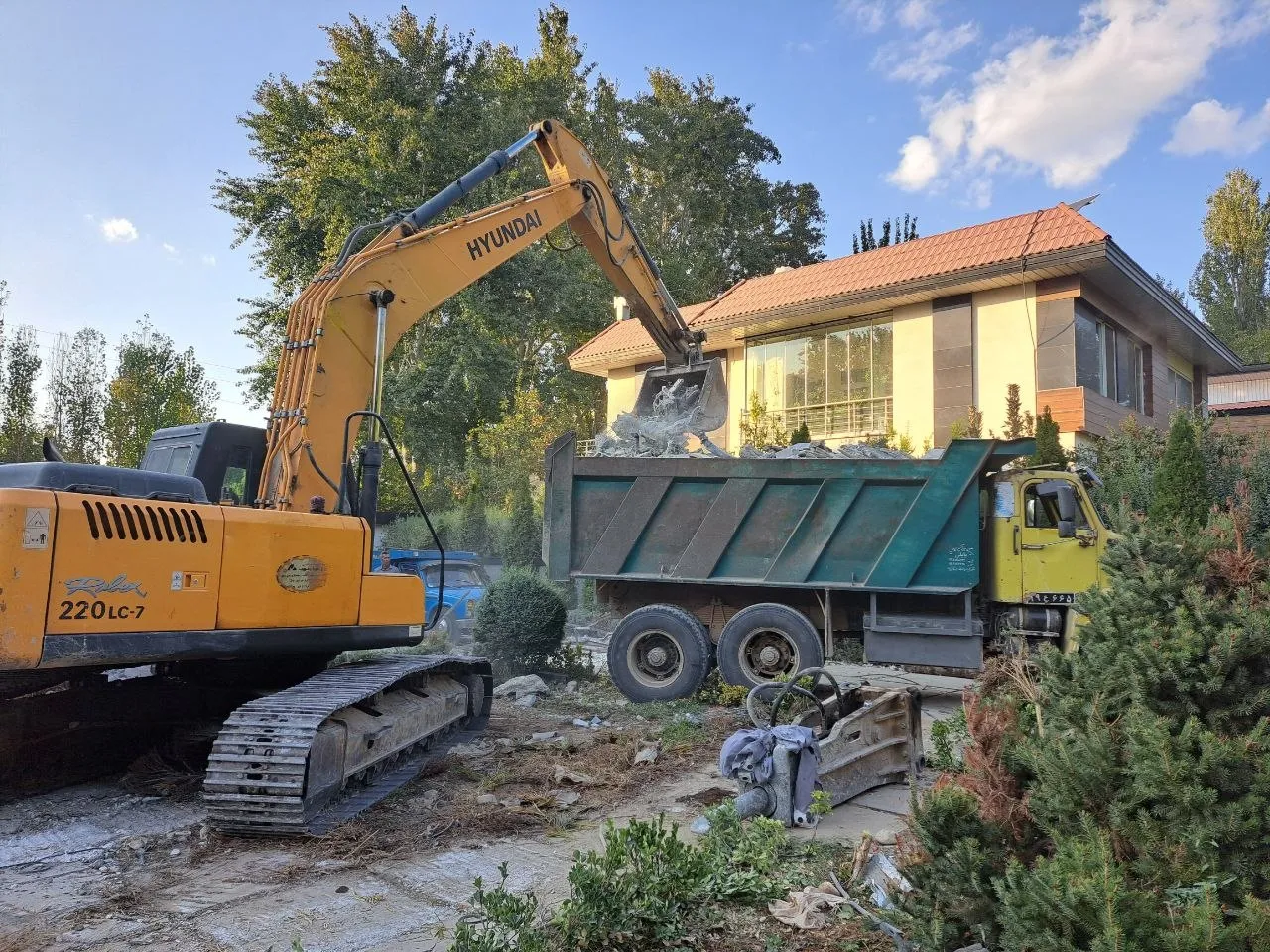
Debris removal operations in the Sarkhab area, commissioned by Dr. Eghbali, in 2026.
Project Title: Debris Removal and Cleanup Operations in the Sarkhab Area
Debris removal is one of the crucial stages in executing construction projects and preparing the site for the commencement of building and infrastructure activities. This operation is carried out with the aim of collecting, transporting, and organizing materials left over from demolition, construction debris, concrete pieces, soil, and other waste present within the project area. In addition to ensuring order and safety in the work environment, the proper execution of this stage paves the way for subsequent construction activities.
In 2026, debris removal operations in the Sarkhab area were put on the agenda, with Dr. Eghbali as the client. This project was defined with the aim of clearing the target area of debris and accumulated materials and creating suitable conditions for the continuation of operational activities. Given the importance of properly preparing the project site, the operation required careful planning, the use of machinery suited to the site conditions, and the effective management of the material collection and transportation processes.
The Importance of Debris Removal Operations in Construction Projects
In many construction and civil engineering projects, it is necessary to assess the current condition of the site and remove any existing physical obstacles before starting the main operations. The presence of debris, concrete fragments, soil from demolition, and unusable materials can pose various challenges to the project's execution.
For example, the presence of debris in the operating area of heavy machinery may restrict traffic routes, reduce the maneuvering space for equipment, and increase the difficulty of operational activities. Additionally, the accumulation of materials in various parts of the worksite can hinder access to specific areas and pose potential risks to the construction workers.
For this reason, debris removal is not merely about moving rubble from one place to another; rather, it is part of the site management process and infrastructure preparation. This stage should be carried out in such a way that, while cleaning up the site, conditions are created for the continuation of construction activities with greater order and safety.
Commencement of operations in the Sarkhab area
In the debris removal project in the Sarkhab area, the first stage was dedicated to assessing the target area and identifying the condition of the existing debris. At this stage, attention is given to the approximate volume of remaining materials, the distribution of debris, and the accessibility of different parts of the site.
Understanding the terrain and existing obstacles is crucial, as the method of carrying out operations is not the same for all projects. In some areas, it is possible to use heavy machinery directly, while in more confined areas or places with more difficult access, execution methods appropriate to the environmental conditions must be used.
In such projects, coordination between construction workers and machinery operators plays a crucial role in preventing time wastage and ensuring the smooth execution of activities. Additionally, determining the optimal route for transporting materials and removing debris can prevent interference between different phases of the operation.
Collection and removal of materials and debris
One of the key aspects of debris removal operations is collecting the remaining materials and transporting them away from the work area. These materials may include pieces of concrete, bricks, soil, stones, construction waste, and other materials resulting from previous demolition or construction operations.
At this stage, the method of collecting materials should be determined based on their type and volume. Proper use of construction equipment and machinery can speed up work and reduce the need for repetitive handling.
Some of the important aspects of implementing this section include the following:
- Collecting debris and construction waste from various locations within the project area.
- Handling concrete pieces, demolished materials, and bulky waste.
- Removal of accumulated soil and materials from access routes and the work area.
- Organizing a temporary storage area for materials, if necessary.
- Proper loading of debris and transporting it to an appropriate location.
- Preventing the re-scattering of debris in areas that have been cleared.
Regularly carrying out these activities gradually clears the workspace and improves access to different parts of the land.
The role of machinery in carrying out operations
Using appropriate machinery is one of the factors that influence the quality and speed of debris removal projects. The choice of equipment depends on factors such as the volume of materials, the type of debris, the size of the area, the ground conditions, and accessibility.
In similar projects, machinery such as excavators, loaders, and material transport trucks are typically used to carry out various parts of the operations. Each of these pieces of equipment has a specific function, and coordination between them can enhance operational efficiency.
Excavators are used for clearing large amounts of debris, moving heavy objects, and accessing various locations. Loaders are also used to collect scattered materials, load, and move substantial volumes of soil and debris. Finally, material transport trucks are responsible for hauling the collected loads.
Of course, the selection of machinery should be based on the actual conditions of the project. Using large equipment in confined spaces or employing machinery unsuitable for the type of materials can slow down work and increase operational costs.
Time management and coordination of operational factors
In construction projects, time management is not just about increasing the speed of work; it also involves planning for the optimal use of available human resources, machinery, and facilities.
In the debris removal operations in the Sarkhab area, coordination between the various stages of the work was also crucial. The collection, loading, and transportation of materials must be carried out in such a way that the activities of one section do not cause stoppages or disruptions in another section.
To achieve this goal, it is essential to consider several issues:
1. Prioritize the cleaning of different areas within the premises.
2. Coordination between the machines operating on the project site.
3. Avoid unnecessary delays in the process of loading and transporting materials.
4. Maintain suitable routes for the entry and exit of equipment.
5. Monitoring the progress of operations and inspecting the status of cleared areas.
Along with proper resource management, these factors can help reduce project execution time and increase orderliness in the workplace.
Compliance with safety and environmental considerations
Debris removal operations require adherence to safety principles due to the handling of heavy materials, machinery operation, and the potential for dust dispersion. The presence of sharp objects, unstable materials, and uneven ground surfaces can also pose risks to personnel on site.
Therefore, controlling the operating range of machinery, preventing unauthorized individuals from being in the path of equipment movement, and maintaining a safe distance between workers and machinery are essential considerations in such projects.
On the other hand, the proper disposal of debris and preventing its dumping in unsuitable environments play a significant role in reducing environmental pollution. Dust management, preventing the dispersion of waste, and selecting an appropriate location for dumping materials should also be considered in the implementation plan.
In addition to protecting the workforce and the surrounding environment, compliance with these measures helps maintain the quality of project execution and prevent potential problems in later stages.
The importance of the final cleanup of the project area
After collecting and removing the majority of the debris, it becomes important to assess the final condition of the area. At this stage, it is necessary to ensure that the remaining debris, scattered materials, and major obstacles have been removed from the designated routes.
The final clearing makes it easier to assess the condition of the land and, if necessary, to carry out subsequent actions such as leveling, additional excavation, subgrade preparation, or other construction activities with greater ease.
Of course, it should be noted that debris removal and land leveling are two different operations. Debris removal focuses on collecting and transporting existing materials and waste, while leveling is carried out with the aim of creating a surface with a specific level and slope. If the project requires it, these two activities can be carried out as complementary steps.
Achievements of the Sarkhab Debris Removal Project
The debris removal operations carried out in the Sarkhab area in 2026 can be considered part of the process of preparing and organizing the environment for construction activities. The importance of this project lies in creating more suitable conditions for the use of the designated area and reducing obstacles caused by the accumulation of materials and debris.
The most important expected outcomes of the principled implementation of such operations include the following:
- Clearing the project area of debris and construction waste.
- Freeing up the space needed for subsequent operational activities.
- Improving the availability of construction machinery and equipment.
- Reducing physical obstacles in walkways.
- Creating more order in the workplace and organizing leftover materials.
- Providing more suitable conditions for examining and assessing the condition of the land.
- Helping to increase safety and facilitate subsequent stages of construction operations.
Project photos
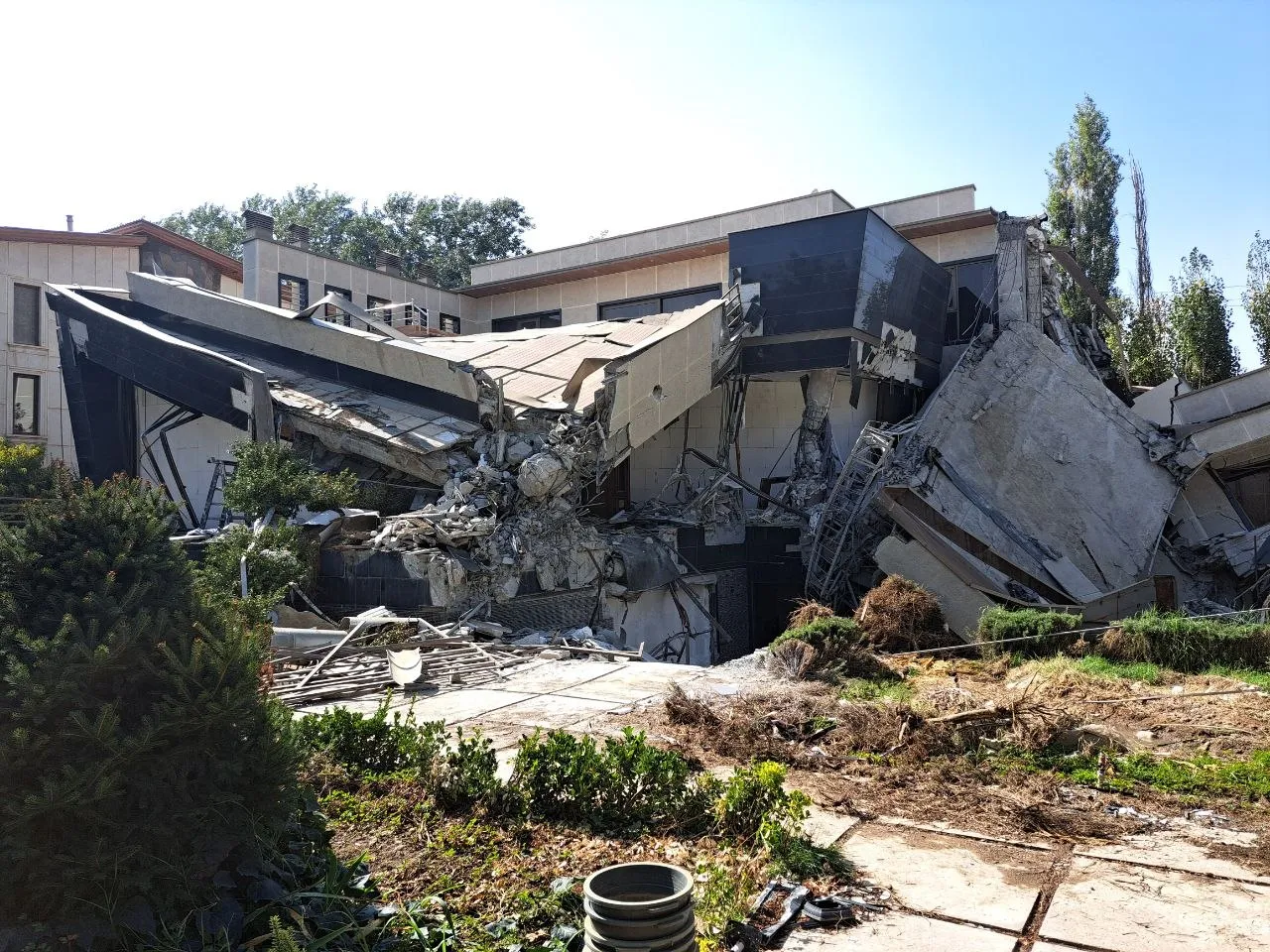
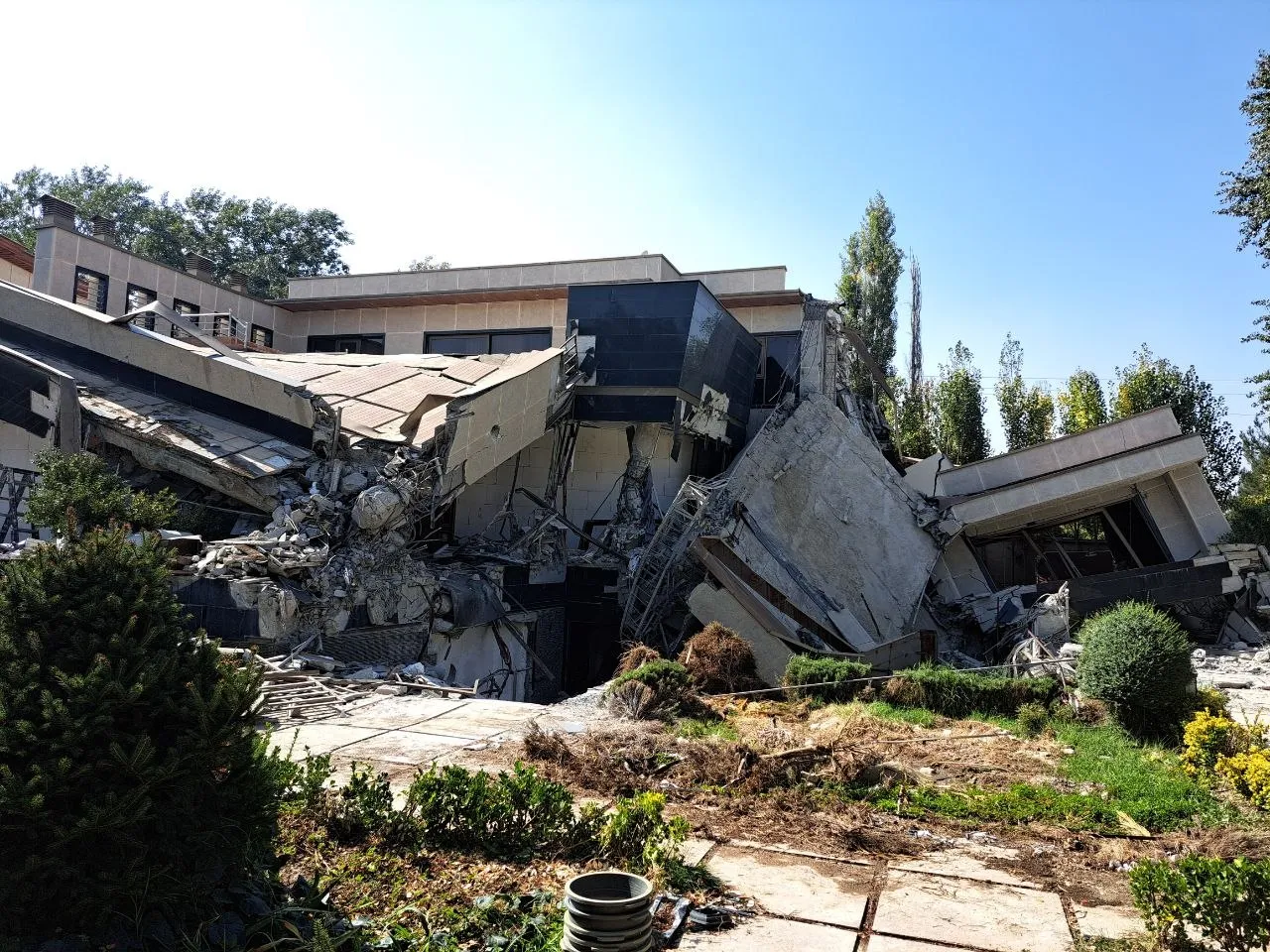
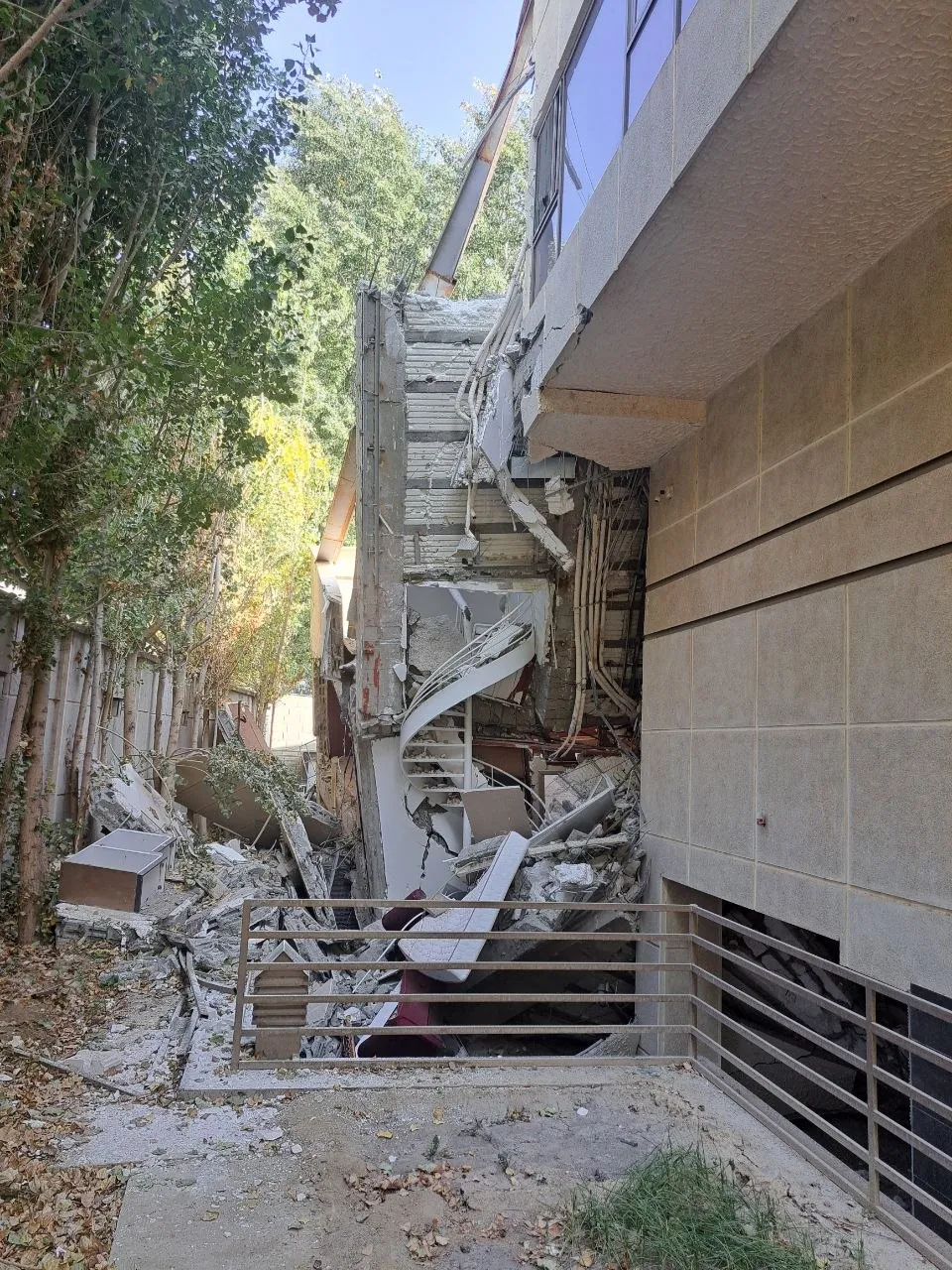
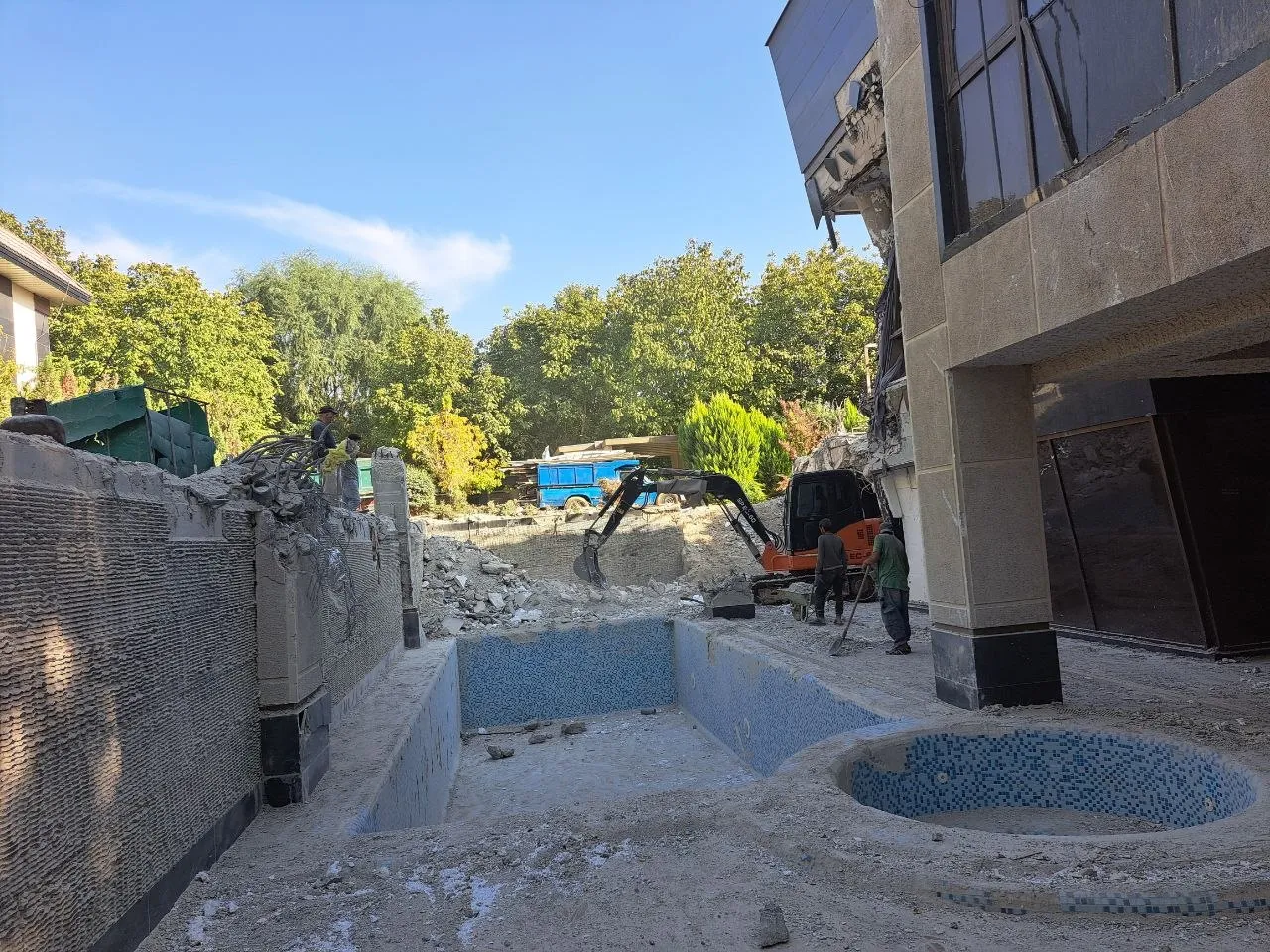
Conclusion
The debris removal project in the Sarkhab area, commissioned by Dr. Eghbali in 2026, was defined and implemented to clear and transport debris and organize the designated area. This activity is one of the essential steps in the process of preparing urban environments, playing a crucial role in removing physical obstacles and creating a suitable foundation for ongoing operations.
The successful implementation of such a project requires an understanding of the site conditions, the selection of an appropriate implementation method, the proper use of machinery, coordination among the implementing parties, and attention to safety and environmental requirements.
Within the framework of these operational needs, this project also included some of the development activities in the Sarkhab region, highlighting the importance of support and preparation operations in the systematic advancement of development projects.
- Project Details
- Project Title: Debris Removal Operations
- Performance location: Sarkhab District
- Client: Dr. Eghbali
- Year of implementation: 1405 (2026)
- Field of activity: Construction and debris removal operations